Is plastic injection molding expensive?

Plastic injection molding can be both cost-effective and expensive, depending on several factors involved in the manufacturing process. Below are key elements that influence the overall cost:
Factors that Impact the Cost of Injection Molding
Tooling and Mold Design: Initial Mold Cost: One of the most significant costs associated with injection molding is the tooling or mold design. Creating a high-quality mold requires precision and specialized equipment, which can be expensive—ranging from a few thousand to tens of thousands of dollars, depending on the complexity and size of the mold. Customization: Custom molds designed to create highly specialized parts increase costs. Complex molds with intricate details or multiple cavities can also increase tooling costs.
Material Costs: The choice of material plays a major role in determining the cost. Common materials like ABS, Polypropylene (PP), or Polyethylene (PE) are generally less expensive, while high-performance materials such as Polycarbonate (PC), Nylon, or PBT can be more costly. The cost of material also varies with the quantity ordered. Large-scale production can lower the price per part, but small batches result in higher material costs per unit.
Production Volume: High-volume production can significantly reduce the cost per unit. The initial mold setup and material cost are spread across a larger number of parts, making the cost per part much lower. This makes injection molding ideal for mass production. On the other hand, low-volume production (such as prototype runs or small batch manufacturing) can make injection molding relatively expensive, as the upfront tooling and setup costs are not amortized over a large number of units.
Cycle Time and Machine Use: Cycle time is the time it takes for the injection molding machine to complete one full cycle, including injection, cooling, and ejection. Shorter cycle times mean more parts can be produced in a given time, lowering the overall cost. Machine maintenance and operation costs also contribute to the overall price of injection molding, especially for more complex or specialized equipment.
Labor and Overhead: While injection molding is generally an automated process, there are still costs associated with setup, operation, and maintenance. Labor costs vary depending on the location and complexity of the manufacturing process.
Post-Processing and Finishing: Additional processes such as assembly, painting, printing, or quality inspections can add to the cost, especially if the parts require specific treatments to meet industry standards or customer specifications.
Geography: The cost can also vary depending on where the injection molding services are being sourced. Regions with lower labor costs and advanced manufacturing facilities, such as parts of Asia, can offer lower prices compared to regions with higher labor costs.
Advantages of Injection Molding Despite Higher Initial Costs
Cost Efficiency at Scale: Injection molding becomes more cost-effective the larger the production run. Once the mold is created, it can produce millions of identical parts at a very low cost per unit, making it a cost-effective choice for high-volume manufacturing.
High Precision and Consistency: Injection molding provides high precision and reliability. The parts produced are consistent in quality, reducing the need for rework or rejection of parts, which can lead to significant savings in the long run.
Material Efficiency: Because excess material can be recycled and reused, injection molding minimizes waste, lowering material costs and making the process more environmentally friendly.
Rapid Production Time: Injection molding has short cycle times, allowing for rapid mass production of parts. This speed is essential in meeting tight production deadlines and market demands.
When Injection Molding May Be Expensive
Small Production Runs: For small orders, the initial cost of tooling and setup can outweigh the benefits of injection molding, making the cost per unit higher.
Complex Parts: Molds for complex parts with detailed features, multiple cavities, or advanced materials can be significantly more expensive.
Low-Volume, High-Cost Materials: If the production involves expensive materials or low-volume custom parts, the overall cost may increase.
SuperTech Industries: Cost-Effective Injection Molding Solutions
At SuperTech Industries, we understand the importance of balancing cost and quality. With over 30 years of experience, we specialize in offering cost-effective injection molding services for both high-volume production and custom, low-volume manufacturing. Our advanced injection molding machines, efficient tooling, and use of a wide range of materials (including ABS, nylon, and polycarbonate) allow us to optimize your manufacturing process to meet your cost and production goals.
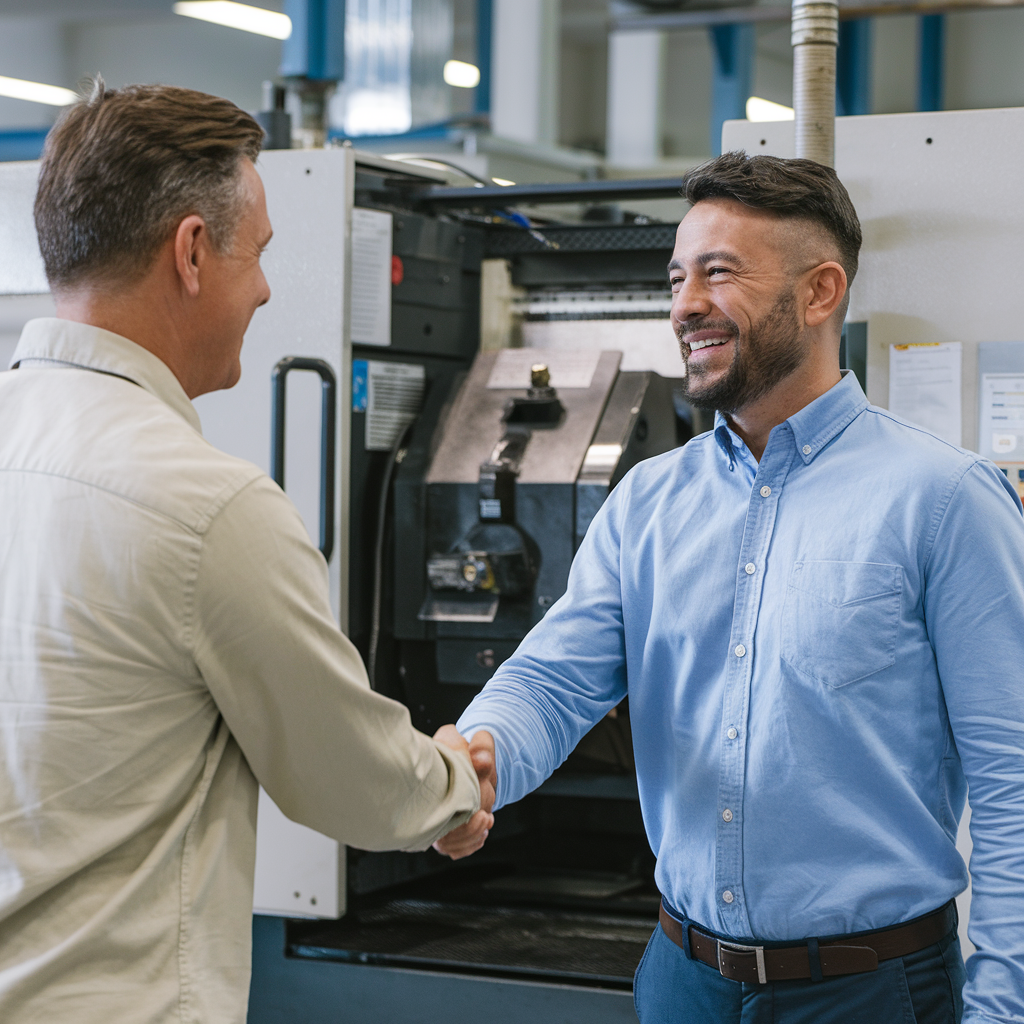
We help clients across industries like automotive, consumer electronics, medical devices, and consumer goods achieve high-quality, precise parts at competitive prices.
Let us help you reduce manufacturing costs while maintaining the high standards your product demands. Reach out to SuperTech Industries for tailored injection molding services that fit your budget and production needs.