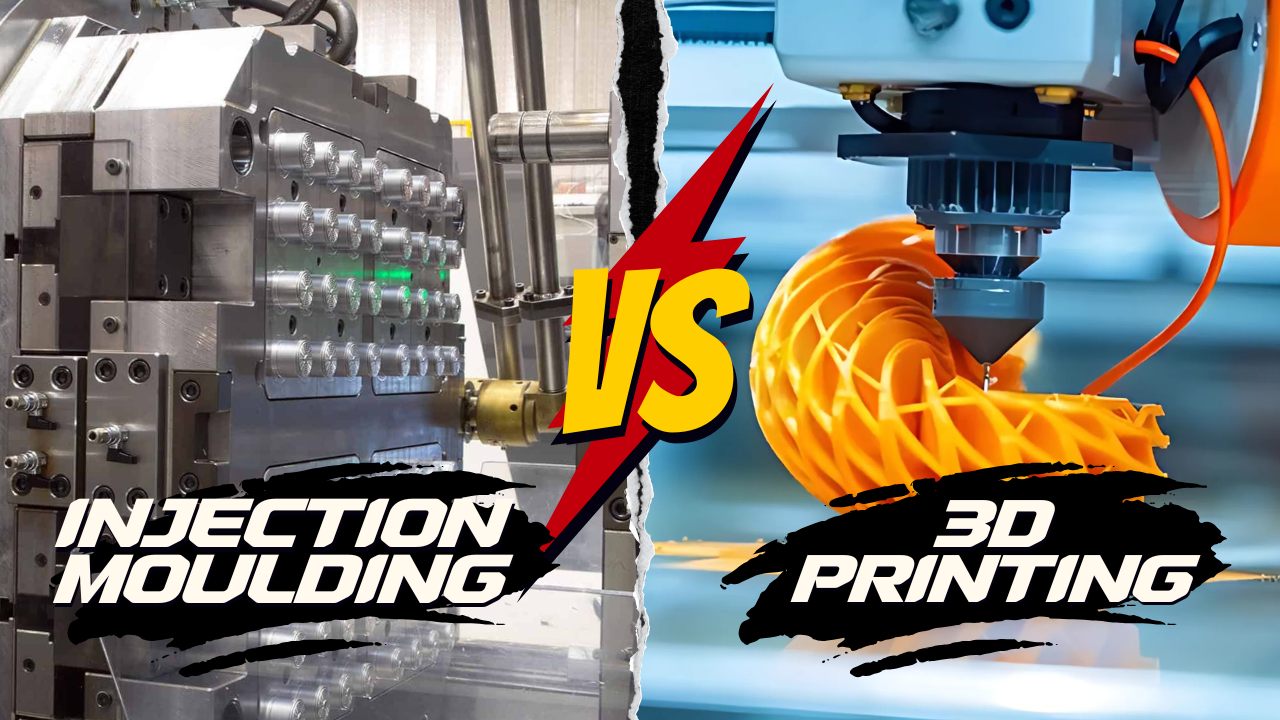
Is injection molding faster than 3D printing?

Injection molding is generally much faster than 3D printing when it comes to producing large quantities of parts. However, the speed advantage depends on the stage of production and the quantity of parts needed. Let’s break it down:
- Production Speed:
Injection Molding: Once the mold is created, the actual production process is incredibly fast. A single cycle (injection, cooling, and ejection) can take anywhere from a few seconds to a minute, depending on the part’s complexity. This makes it ideal for mass production, where thousands or millions of identical parts are needed. Machines can produce hundreds of parts in an hour.
3D Printing: 3D printing is significantly slower. Producing a single part can take several hours depending on its size, complexity, and the type of 3D printer used. Even with advanced printers capable of batch production, the throughput is much lower compared to injection molding.
- Setup Time:
Injection Molding: The initial setup, including designing and manufacturing the mold, can take weeks or even months. This makes injection molding more suited for long production runs to offset the high upfront costs and time.
3D Printing: Requires minimal setup time. Designs can be directly loaded from CAD files, making it ideal for prototyping or small production runs where time-to-market is critical.
- Cost Efficiency:
Injection Molding: Highly cost-effective for mass production. While the upfront costs for mold creation are high, the per-unit cost decreases significantly as production volume increases.
3D Printing: More economical for low-volume production or custom parts due to no need for molds. However, the per-unit cost remains relatively constant regardless of production scale, making it less suitable for mass production.
- Material Usage:
Injection Molding: Allows for efficient use of materials with minimal waste, as excess material can often be recycled.
3D Printing: Some 3D printing technologies, like FDM, can produce more material waste due to support structures and unused filament.
Conclusion:
Injection Molding is faster and more cost-effective for large-scale production and offers superior speed and efficiency once the setup is complete. 3D Printing is slower but excels in prototyping, customization, and low-volume production due to its flexibility and minimal upfront investment.
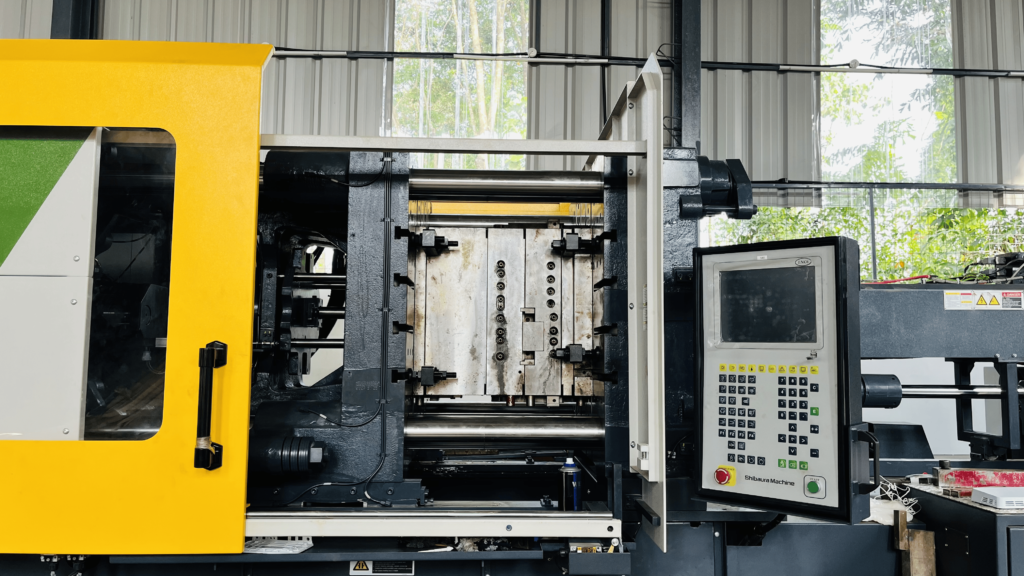
SuperTech Industries: Your Injection Molding Partner
At SuperTech Industries, we leverage 18 advanced injection molding machines and decades of expertise to deliver high-speed, precision manufacturing for industries in Kerala and beyond. Whether you need custom injection molding services, mold fabrication, or plastic product manufacturing, we offer unparalleled speed and efficiency compared to alternative methods like 3D printing. Reach out to us for tailored solutions designed to meet your unique needs.