Is injection molding environmentally friendly?

Injection molding can be considered environmentally friendly, but this depends on various factors such as the materials used, the efficiency of the production process, and the measures taken to reduce waste and energy consumption. Here’s a closer look at how injection molding can be both environmentally friendly and how improvements can be made:
Environmental Benefits of Injection Molding
Minimal Material Waste: Injection molding is highly efficient in terms of material usage. Most excess material (also called sprue or runners) can be recycled and reused in the production process. This reduces the amount of waste generated, as much of the excess plastic can be reprocessed and used in future molds, making it more sustainable than many other manufacturing processes.
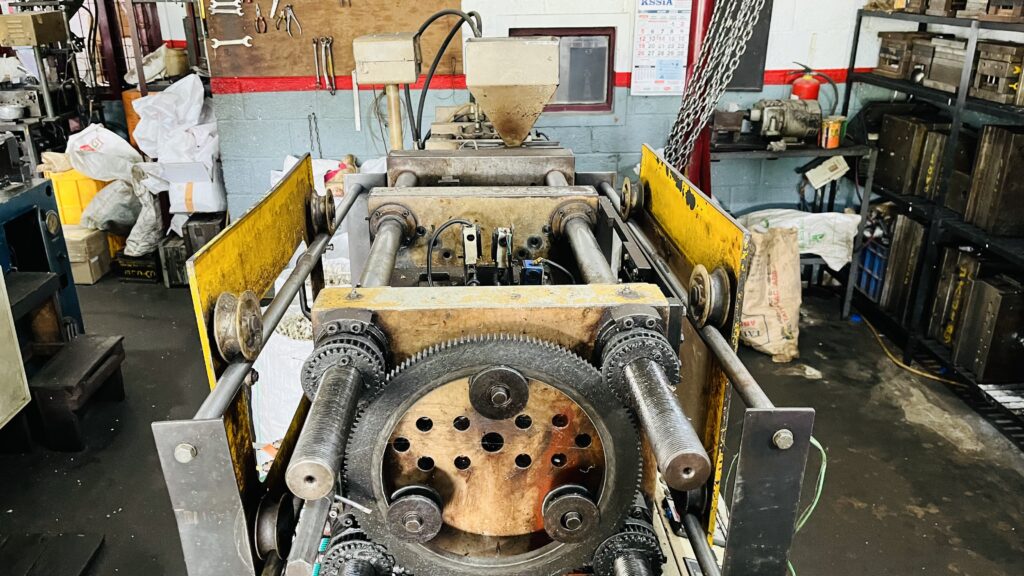
Energy Efficiency: While the injection molding process does require significant energy, it is a relatively energy-efficient manufacturing method for mass production. Once the mold is created, the molding cycles are fast, which helps keep energy usage low for each individual part. Additionally, the process can be highly automated, which reduces labor costs and increases production speed, making it more efficient overall.
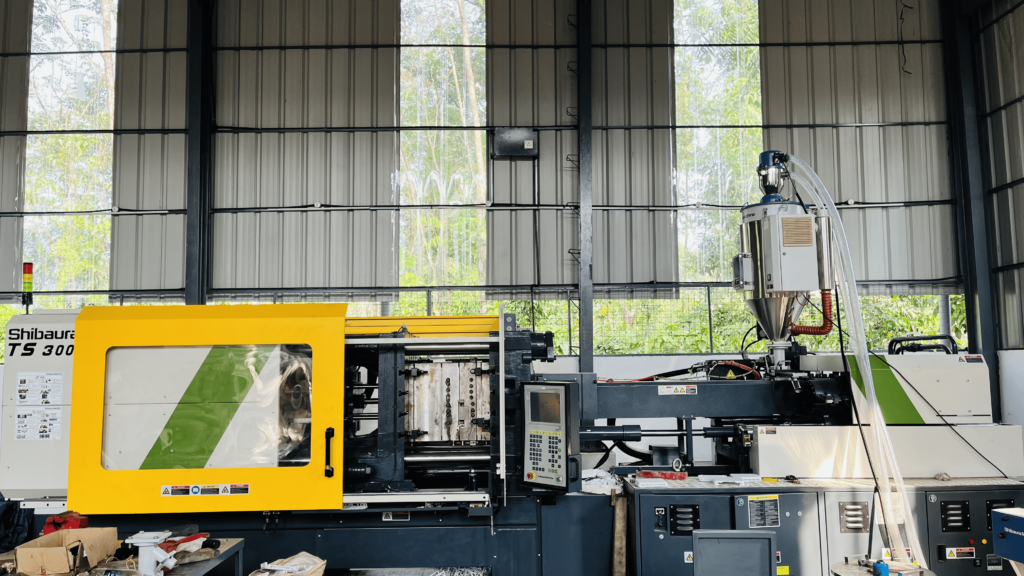
Recyclability of Materials: Injection molding uses a variety of thermoplastic materials, which are recyclable. Popular thermoplastics like PP (Polypropylene), PE (Polyethylene), and ABS can be melted down and reused multiple times, which contributes to reducing the environmental impact when properly managed.
Reduction of Packaging Waste: Injection molding can be used to produce lightweight packaging and disposable products that are often more compact than alternatives, which can reduce packaging waste and shipping costs. This is particularly true for packaging materials made of biodegradable plastics or lightweight composites.
Use of Bioplastics: The growing trend towards sustainable materials has led to the development of bioplastics, which are derived from renewable resources like corn or sugarcane. These biodegradable plastics reduce the long-term environmental impact compared to conventional plastics made from petroleum. Injection molding can accommodate bioplastics such as PLA (Polylactic Acid), making it a more environmentally friendly alternative for specific applications.
Environmental Challenges of Injection Molding
Energy Consumption: While injection molding is energy-efficient compared to other methods of production, the high-energy demand in the initial heating of materials and the running of injection molding machines can contribute to its carbon footprint. However, companies can mitigate this by adopting energy-efficient machinery and using renewable energy sources.
Material Disposal: Not all materials used in injection molding are recyclable, and if products are not disposed of correctly, they can contribute to plastic pollution. The reliance on single-use plastics or plastics with limited recyclability (like certain thermosets) can result in environmental harm. It’s essential for businesses to promote recycling programs and to use materials that have high post-consumer recyclability.
Waste Generation: While a significant amount of material can be recycled, some degree of waste, especially in the form of scrap (unused portions of plastic), is inevitable. Ensuring that these waste products are properly recycled and not sent to landfills is key to reducing the environmental impact.
Chemical Additives: Some plastics used in injection molding may contain harmful chemicals such as phthalates, flame retardants, or other additives that could have an adverse effect on the environment if not properly managed. However, there is increasing attention on producing safer, non-toxic materials that minimize environmental and health risks.
Steps Toward More Environmentally Friendly Injection Molding
Recycling and Reuse: Companies can invest in systems to reuse and recycle materials, including the waste generated during production (sprues, runners, and defective parts). This helps minimize the environmental impact and reduce the need for new raw materials.
Energy-Efficient Equipment: The adoption of energy-efficient injection molding machines, such as electric injection molding machines, can reduce overall energy consumption. Additionally, using solar power or other renewable energy sources to power manufacturing facilities can further lower the carbon footprint.
Biodegradable Plastics: Many companies are exploring biodegradable and compostable plastics that break down more quickly in the environment. PLA and other plant-based plastics are gaining traction in industries like packaging, reducing the long-term environmental impact of plastic products.
Sustainable Material Choices: Manufacturers are increasingly using recycled plastics and sustainable materials for their injection molding processes. Incorporating materials like post-consumer recycled plastics (PCR) can reduce the reliance on virgin materials and help close the loop in the recycling process.
Eco-Friendly Design: Injection molding can support the design of lightweight, durable products that use fewer raw materials, reducing waste and environmental impact. Design for recycling (DFR) principles can also be implemented to ensure that parts and products are easier to recycle at the end of their life cycle.
SuperTech Industries: Sustainable Injection Molding Practices
At SuperTech Industries, we recognize the importance of minimizing the environmental impact of our manufacturing processes. As part of our commitment to sustainability, we:
Use recyclable thermoplastic materials whenever possible, and we have efficient systems in place to reuse scrap materials in production. Implement energy-efficient practices across our manufacturing facilities, reducing our carbon footprint. Partner with clients to explore sustainable material options, including bioplastics and recycled materials, for environmentally-conscious production. Focus on designing products that are lightweight, durable, and easier to recycle, aligning with our long-term sustainability goals.
Our dedication to providing custom injection molding services ensures that clients receive high-quality products while also contributing to a more sustainable future.